
Does Mayonnaise Kill Lice? The Truth Behind This Popular Home Remedy
When parents discover lice, one of the first questions they often search online is does mayonnaise kill lice. Mayonnaise has long been suggested as a home remedy because it is inexpensive, readily available, and perceived as a safer alternative to chemical treatments. Stories shared online and by word of mouth often claim that smothering lice with mayonnaise can eliminate an infestation overnight. For families dealing with the stress and stigma of lice, this promise sounds incredibly appealing.
However, lice infestations are more complex than they appear, and quick fixes often fail to address the full life cycle of lice. Understanding how lice survive, reproduce, and spread is essential before relying on any home remedy. This article explains what mayonnaise actually does to lice, why infestations often return after using it, and what truly works to eliminate lice completely.
How the Mayonnaise Lice Treatment Is Supposed to Work
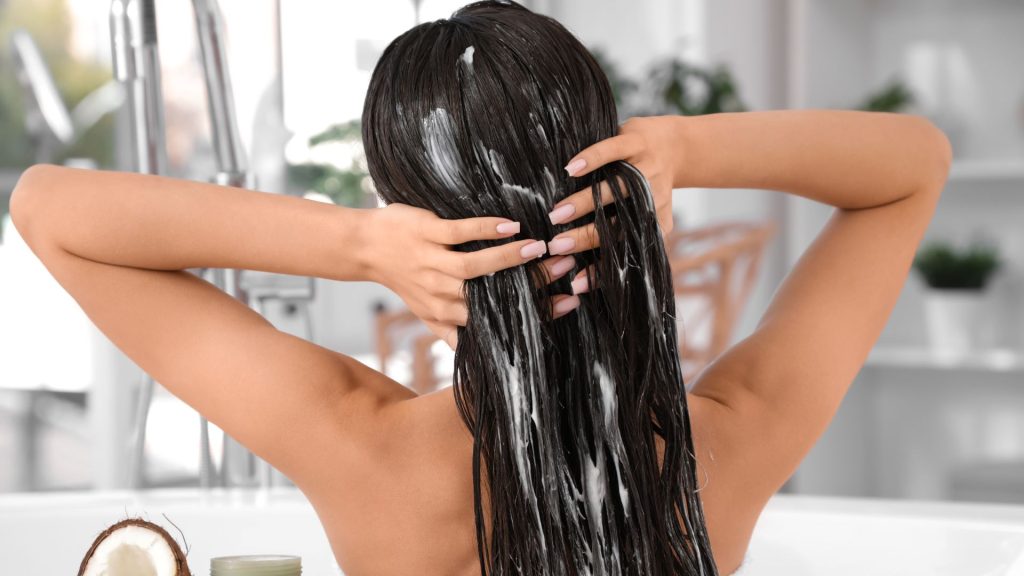
The theory behind mayonnaise and lice treatment is based on suffocation. Mayonnaise is thick and oily, and when applied heavily to the scalp, it is believed to coat lice and block their breathing holes. In theory, this lack of oxygen could immobilize or kill some live lice after prolonged exposure, especially when the hair is covered with a shower cap overnight.
While this may sound effective, the reality is far less reliable. Lice are remarkably resilient insects, and many can survive extended periods with reduced oxygen. Additionally, it is extremely difficult to ensure that every louse is fully coated, especially near the scalp where lice tend to hide. As a result, some lice survive the treatment and continue the infestation once the mayonnaise is washed out.
Does Mayonnaise Kill Lice Eggs?

One of the most important factors in understanding does mayonnaise kill lice is recognizing the role of lice eggs, also known as nits. Lice eggs are firmly attached to individual hair strands with a strong, glue-like substance. This protective shell shields the developing louse from environmental threats, including oils, shampoos, and home remedies like mayonnaise.
Mayonnaise has no ability to penetrate or dissolve this shell. Even if some live lice are affected, the eggs remain untouched and continue to develop. Within 7 to 10 days, these eggs hatch, releasing new lice that restart the infestation. This is why families often believe the lice are gone, only to see them return shortly afterward.
Why Lice Often Return After Using Mayonnaise

Lice infestations frequently come back after mayonnaise treatments because the method does not fully eliminate all stages of the lice life cycle. Killing or slowing a portion of live lice does not stop reproduction when eggs remain attached to the hair. Without complete nit removal, the infestation is only temporarily interrupted.
Another reason lice return is improper or incomplete application. Thick hair, long hair, and sensitive scalps make it difficult to apply mayonnaise evenly and leave it on long enough to affect lice. In addition, household members who were exposed may not be treated at the same time, allowing lice to spread back and forth. These factors make mayonnaise an unreliable solution for long-term lice control.
Risks and Drawbacks of Using Mayonnaise for Lice
Although mayonnaise is food-grade, using it on the scalp for extended periods can cause problems. The thick oils can clog pores, trigger scalp irritation, and worsen conditions like dandruff or eczema. For children with sensitive skin, this can lead to redness, itching, or discomfort that complicates proper combing afterward.
There is also a significant practical drawback. Removing mayonnaise from hair is messy, time-consuming, and often requires multiple washes. This process can leave hair greasy and tangled, making nit combing even more difficult. When combing becomes harder, eggs are more likely to be missed, increasing the chance of reinfestation.
What Actually Works Better Than Mayonnaise for Lice Removal
When evaluating does mayonnaise kill lice, it’s important to compare it to proven methods. The most effective Lice treatment San Antonio focus on physical removal rather than attempting to suffocate or poison lice. Manual lice and nit removal physically eliminates every louse and egg, stopping the life cycle immediately.
Professional lice removal services use specialized metal combs, precise sectioning, and trained techniques to ensure nothing is missed. This approach works regardless of hair type, hair length, or previous failed treatments. Unlike home remedies, professional removal provides reliable results without repeated applications or unnecessary scalp irritation.
Call to Action: Get Real Results Without the Guesswork
If you’re asking does mayonnaise kill lice, you’re not alone but relying on home remedies often leads to frustration and reinfestation. The safest and most effective solution is professional manual lice and nit removal that eliminates lice completely in a single visit.
Contact a professional in-home lice removal service today to stop the cycle, protect your family, and regain peace of mind without messy home remedies or repeat treatments.
Frequently Asked Questions
Mayonnaise may slow down or immobilize some live lice due to its thick texture, but it does not consistently kill them instantly. Many lice survive the treatment because they are not fully coated or are able to tolerate low-oxygen environments for extended periods.
Lice eggs are protected by a hard outer shell that mayonnaise cannot penetrate. Because the eggs remain firmly attached to the hair shaft, they continue to develop and hatch even after mayonnaise treatment.
The belief often comes from seeing fewer live lice immediately after treatment. This visible reduction creates a false sense of success, even though eggs and surviving lice remain hidden in the hair.
Most recommendations suggest leaving mayonnaise on the hair for several hours or overnight. Even with extended exposure, results are inconsistent and unreliable because lice are difficult to fully suffocate.
Mayonnaise provides no preventive protection. Once washed out, it leaves no lasting effect, and lice can easily return through contact with untreated individuals.
Although mayonnaise is edible, leaving it on a child’s scalp for long periods can cause irritation, clogged pores, and discomfort. Sensitive skin may react negatively, making proper treatment more difficult.
Lice return because eggs remain attached to the hair and hatch days later. Incomplete removal of live lice and untreated household contacts also contribute to reinfestation.