
Lice Prevention and Education Tips: How Families Can Avoid Head Lice Infestations
Head lice are a common concern for families, particularly when children attend school, daycare, summer camps, or participate in group activities. While lice are not dangerous and are not related to poor hygiene, they can spread quickly through close contact. Learning effective lice prevention and education tips can significantly reduce the chances of an infestation and help families respond quickly if lice are discovered.
Understanding how lice spread, recognizing early signs, and practicing simple preventative habits can make a major difference. With the right knowledge and proactive strategies, parents can protect their households and avoid the stress and disruption that lice infestations often cause.
Understanding How Head Lice Spread
One of the most important lice prevention and education tips is understanding how lice actually spread. Contrary to common myths, lice cannot jump or fly. They move by crawling and are usually transmitted through direct head-to-head contact. This is why children in classrooms, playgrounds, sleepovers, and sports activities are more likely to spread lice among one another.
Lice can also spread through the sharing of personal items that touch the hair. Items such as hats, hairbrushes, headphones, scarves, and hair accessories can transfer lice from one person to another if used within a short period of time. Teaching children to avoid sharing these items is one of the simplest and most effective prevention strategies.
Teaching Children Healthy Hair Habits

Education plays a key role in preventing lice outbreaks. Teaching children good hair habits early can dramatically lower the risk of transmission. For example, encouraging kids to avoid head-to-head contact during playtime is one of the most practical lice prevention strategies.
Parents can also remind children not to share personal items like brushes, hats, hair ties, or helmets. Simple habits such as tying long hair into braids, buns, or ponytails during school hours can also reduce exposure. When children understand why these habits matter, they are more likely to follow them consistently.
Performing Regular Scalp Checks

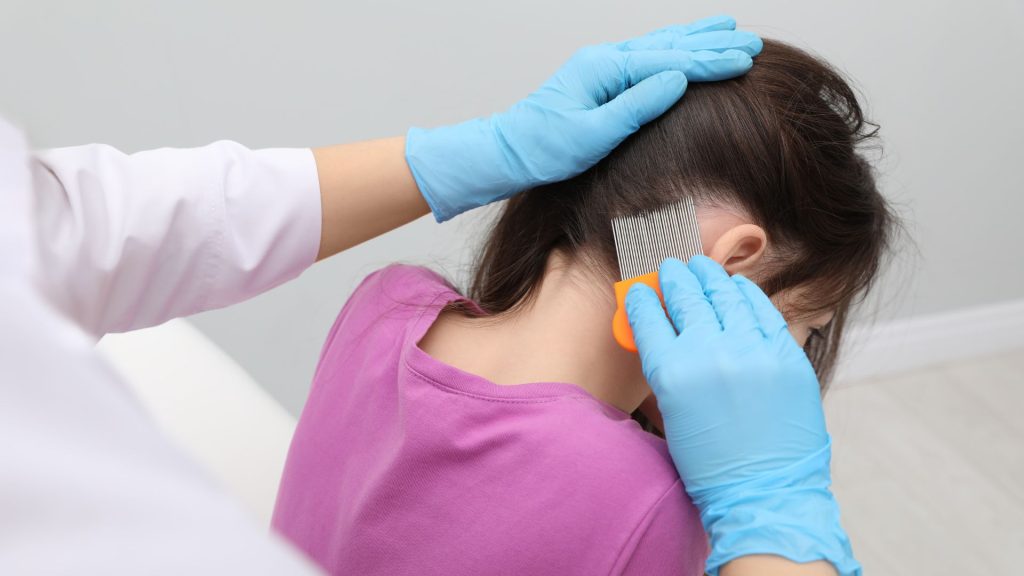
Routine scalp checks are one of the most effective lice prevention and education tips for families. Early detection can stop a small issue from becoming a larger infestation. Parents should check their child’s hair weekly, especially during known lice outbreaks at school or in the community.
A proper scalp check involves using bright lighting and carefully examining areas behind the ears, at the nape of the neck, and along the hairline. Look for live lice or small oval-shaped nits attached close to the scalp. Catching lice early allows families to address the problem quickly and prevent it from spreading to other household members.
Keeping Personal Items Separate
Another important prevention strategy is keeping personal items separate. Since lice can sometimes transfer through shared objects, organizing personal belongings can help minimize risk. Each family member should have their own brush, comb, hair accessories, and hats.
At school, children should be encouraged to keep hats, jackets, and scarves stored in individual cubbies or backpacks rather than piled together. During sleepovers or camps, parents can pack labeled hair accessories and remind children to avoid sharing personal grooming items with friends.
Knowing When to Seek Professional Help
Despite the best prevention efforts, lice infestations can still occur. When they do, it is important for families to act quickly and calmly. Understanding treatment options is part of effective lice education, and professional services are often the most efficient solution.
A professional lice removal specialist can perform a detailed scalp examination, remove lice and nits safely, and provide families with additional lice prevention and education tips. Many families find that professional treatment resolves infestations faster and prevents the repeated cycles that often happen with at-home treatments.
Frequently Asked Questions
The most effective strategies include avoiding head-to-head contact, not sharing hair accessories or hats, performing weekly scalp checks, and educating children about lice transmission.
Lice cannot survive long without a human host. They typically die within 24–48 hours off the scalp, which means normal washing of recently used items is usually enough.
Weekly checks are recommended, especially during school outbreaks. Checking more frequently can help detect lice early before they spread.
No. Lice infestations can occur in anyone regardless of hygiene, hair type, or cleanliness. They spread through contact, not because of dirty hair.
Common early signs include scalp itching, small red bumps on the scalp, and visible nits attached near the base of the hair strands.
Yes. Keeping long hair in braids, buns, or ponytails may reduce the likelihood of hair-to-hair contact and make it harder for lice to transfer.
Professional treatment is recommended when infestations persist, when parents have difficulty removing nits, or when families want a faster and more reliable solution.